

Always be mindful of how much you consume and make choices that keep you and others safe. All of this is to say that if getting drunk sounds like a form of harmless fun, think again. Anyone who drinks heavily should know the health risks ahead of time— as well as how to get help for an alcohol problem. Over time, excessive alcohol use can cause liver health problems such as cirrhosis.
How to Tell If You’re Tipsy: Signs and Symptoms
Using alcohol as a form of self-medication for mental health issues can be counterproductive and may exacerbate symptoms in the long run. Excessive alcohol use, especially in the form of binge drinking, can worsen depression and anxiety. Binge drinking is defined as consuming more than 8 units of alcohol per day for men and more than 6 units per day for women, with 1 unit of alcohol being equal to half a pint. By now we’ve learned some of the key differences between being drunk vs. tipsy and even developed some skills for recognizing our level of intoxication. Many people underestimate their level of impairment while tipsy, which can lead to risky decisions. Recognizing the differences in terms of BAC and behavior can help us make safer choices.
Signs of Being Tipsy
You’ll also have the opportunity to connect with our licensed Reframe coaches for more personalized guidance. Reducing drinking, or even eliminating it altogether, can lower a person’s risk of these conditions and complications. For example, a BAC of 0.05 means that the person’s blood is 0.05% alcohol. Tipsy drinkers minimize guilt in CAGE questions despite experiencing remorse later. The CAGE Assessment reveals this contradiction through targeted questioning about emotional responses to drinking.
Stage 5: Entering the Danger Zone (BAC: 0.25–0.4%)
Alcohol intoxication can be divided into seven stages, each corresponding to different BAC levels. These stages serve as a general guideline to understand the impact of alcohol on an individual’s behavior and physical functioning. It’s important to note that the effects of alcohol can vary depending on factors such as body weight, tolerance, and other individual characteristics. Tipsy individuals experience mild effects with minimal impairment, while drunk persons show significant physical and cognitive limitations with noticeable behavioral changes. Being tipsy refers to the early stages of intoxication, where you feel relaxed, social, and slightly impaired.
How long does alcohol stay in your system?
- This can manifest itself in risky behaviors, like trying to drive while drunk or getting into fights.
- For example, drinkers often have bloodshot eyes and dilated pupils.
- Receive encouragement from people worldwide who know exactly what you’re going through!
- How can you safely manage the situation to prevent harm both to the individual and to others around them?
After consuming alcohol, it typically takes 15 to 45 minutes to feel its full effects. The liver metabolizes alcohol at a rate of about one unit per hour, which is roughly equivalent to 10 milliliters (ml) or 8 grams of alcohol rehab alcohol. There are somewhat predictablestagesthat a person will go through when they drink alcohol. Thestages of intoxication varyfrom person to person based on a variety of factors. Reactions to alcohol will vary by weight, age, sex, rate of consumption, overall health, amount of alcohol used, and amount of food in the stomach.
Emotional and Physical Effects

You may notice slight impairments in judgment or coordination, but you are generally still in control and aware of your actions. Neglect of personal hygiene and grooming, exhaustion, dehydration, and lack of sleep are common among individuals with alcohol addiction. These factors can contribute to a disheveled appearance and an alcohol smell. Understanding the impact of alcohol on mental health is crucial for individuals struggling with addiction or mental health disorders. Seeking professional help and support can provide guidance on managing both alcohol use and mental health concerns effectively.
Being tipsy is the initial, mild phase of alcohol impairment, representing the point where the body and brain first register the presence of ethanol. This state is defined by subtle alterations in mood and a slight reduction in coordination, but it is not yet full intoxication. Recognizing these first signs is important for managing alcohol consumption responsibly.
Alcohol Awareness Resources
Initially, individuals may feel happy and relaxed, but as intoxication increases, these positive emotions can quickly turn into irritability, sadness, or anger. These mood swings are often unpredictable and can lead to conflicts and misunderstandings in social settings. Alcohol is what does being tipsy feel like a psychoactive substance that has been consumed by humans for thousands of years. In small amounts, it can cause feelings of relaxation and euphoria. However, excessive alcohol consumption can lead to a variety of negative consequences, both short- and long-term.
How Long Does Being Drunk Last?
It boosts levels of dopamine, the feel-good chemical that gives you that warm, fuzzy feeling that “all is well” in the world no matter what’s actually going on around you. Encourage them to drink water, offer them food, and ensure they don’t continue to consume alcohol. If they show signs of https://ecosoberhouse.com/ alcohol poisoning, seek medical help immediately. Many people believe that drinking coffee or water will help them sober up quickly.
It’s about recognizing the early signs of intoxication and respecting your limits. This involves understanding how alcohol affects you personally, tracking your drinks, and honestly assessing your state. Our brains aren’t always objective, especially when alcohol is involved. Cognitive biases, or mental shortcuts, can cloud our judgment and affect how we perceive our level of intoxication. We might underestimate how much we’ve had to drink or overestimate our ability to handle more.
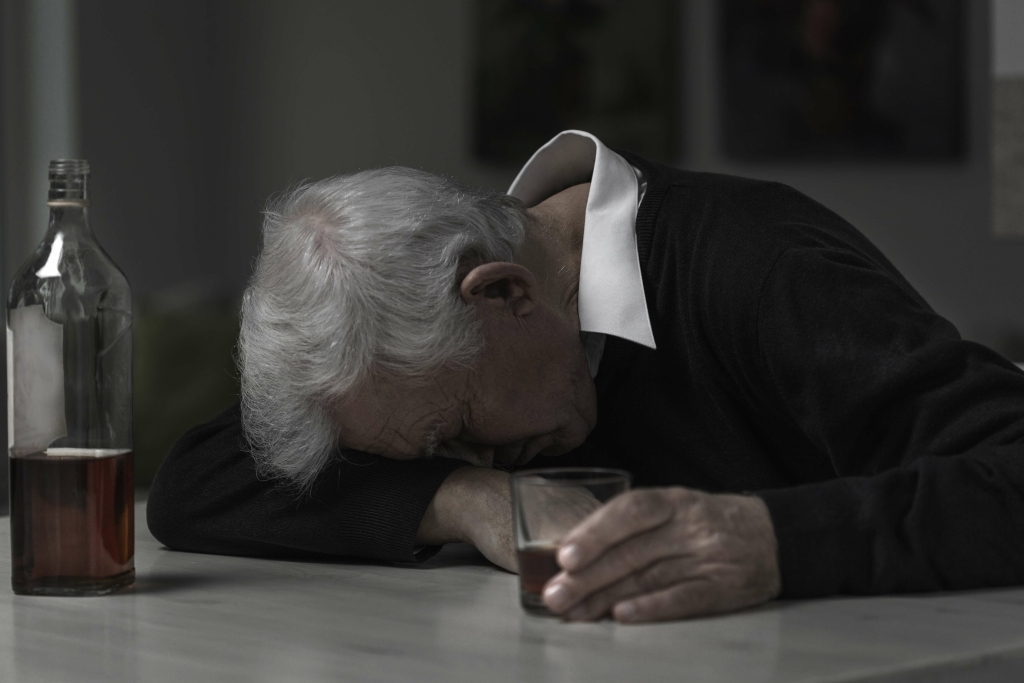
In some instances, intoxication can impact an individual’s legal responsibility, but it does not usually serve as a complete defense for criminal acts. Overall, the law aims to regulate alcohol consumption to prevent harm, enforce responsible drinking, and reduce alcohol-related accidents and violence. A person may lose consciousness, slip into a stupor, or even become unresponsive. Respiratory depression and hypothermia are possible, and this level of intoxication can quickly lead to coma or death—especially as BAC surpasses 0.45%. At extremely high levels, vital body functions such as breathing and heart rate may fail, making immediate medical intervention critical.
- Reframe offers a Blood Alcohol Content (BAC) calculator to help you understand how different factors influence your BAC.
- You will also have a richer experience with your friends as you will be able to indulge in inspiring conversations and wear your dancing shoes to twirl to your favorite tunes.
- Alcohol can amplify existing emotions, leading to increased aggression, sadness, or euphoria.
- Alcohol acts as a disinhibitor, making individuals feel more relaxed and open in social interactions.
The internal experience of being tipsy often begins with a noticeable shift in emotional state. Individuals commonly report a sense of mild euphoria, where feelings of happiness and well-being are enhanced. This is paired with a distinct feeling of relaxation, as stress and tension dissipate. Feeling “buzzed” is often minimized, seen as a fun, lighthearted state.